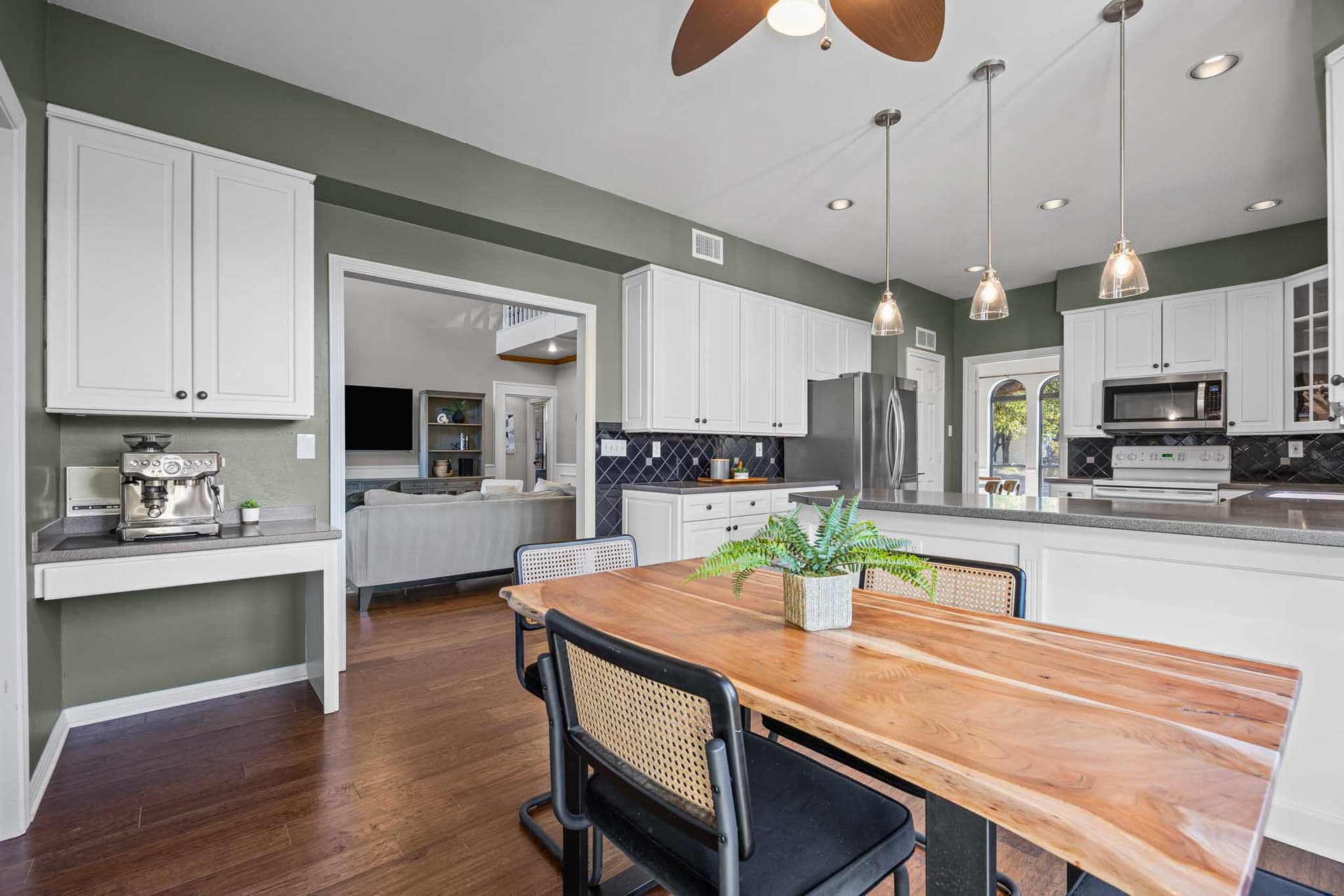
What Makes A Listing Gallery Work
Written for agents, whether we shoot your listings or you do. This is what we would tell you over coffee.
Listing Galleries Fail On Decisions, Not Cameras
This is not a "buy a better camera" guide. Most listing galleries fail on decisions, not equipment, and the decisions are the same whether the photographs cost $200 or nothing.
The first image is doing most of the work
A buyer scrolling a portal at eleven at night gives your thumbnail about three seconds. If it does not stop them, none of the other twenty four photographs exist. That makes the first frame worth more thought than the rest of the gallery combined.
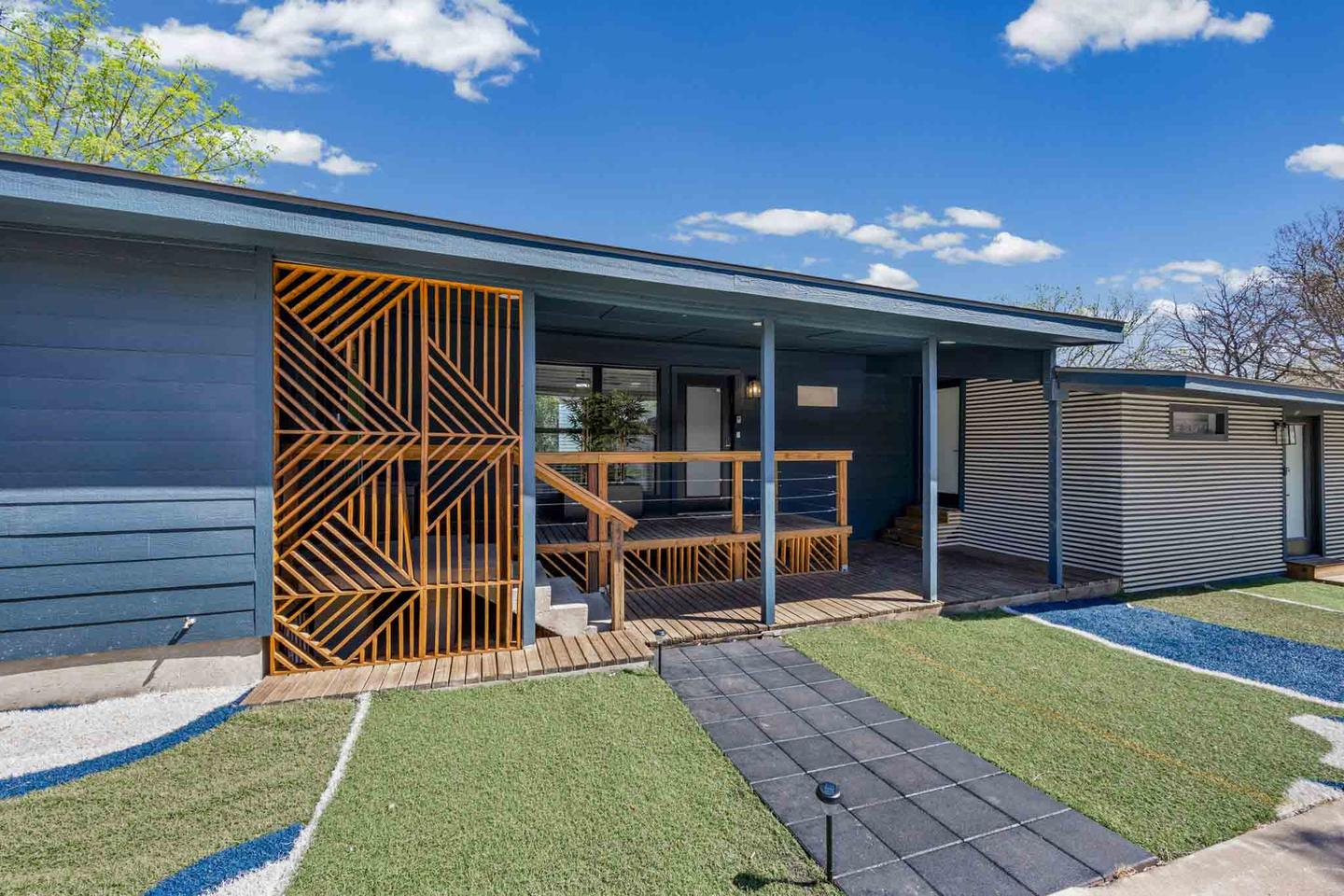
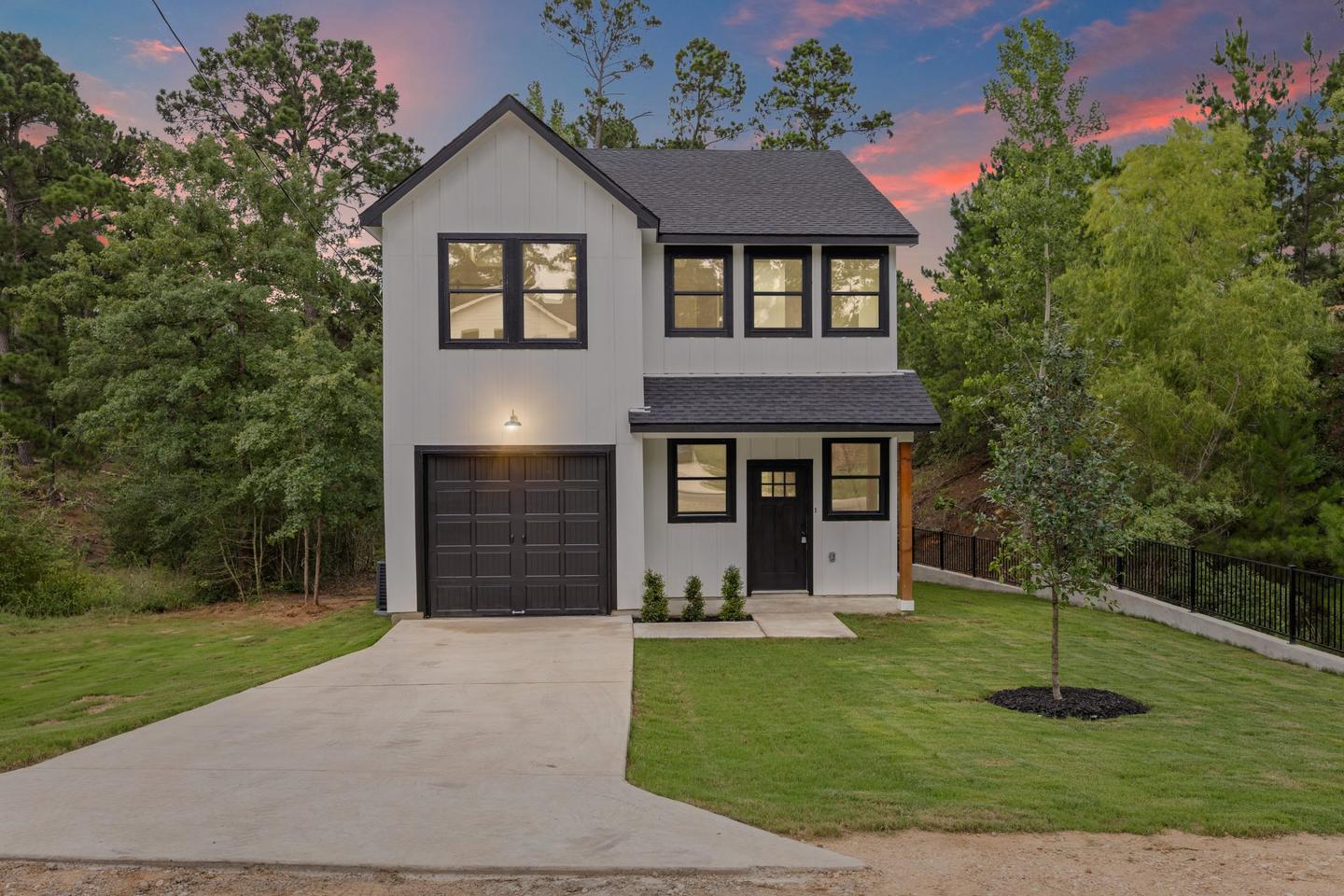
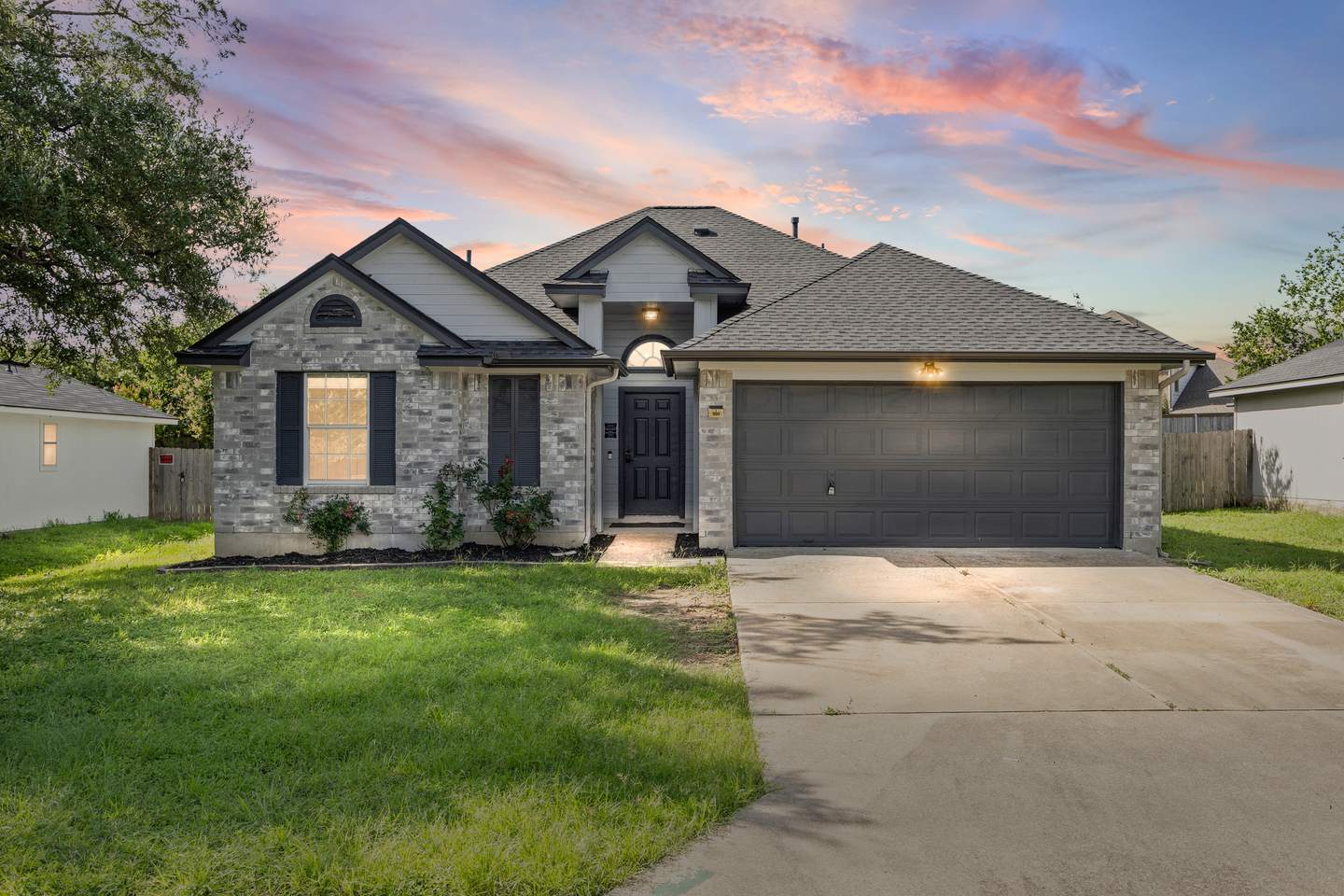
For most homes it is the front elevation or the main living space. For a property with a genuine view, a pool, or serious architecture, it is whatever that thing is. And for a lot of listings it is a twilight exterior, because a lit house at dusk is visually different from every other thumbnail on the page, which is most of the battle.
Whatever it is, choose it deliberately. The most common error we see is a gallery where the first image is the front elevation simply because that is the order the photographs came off the card.
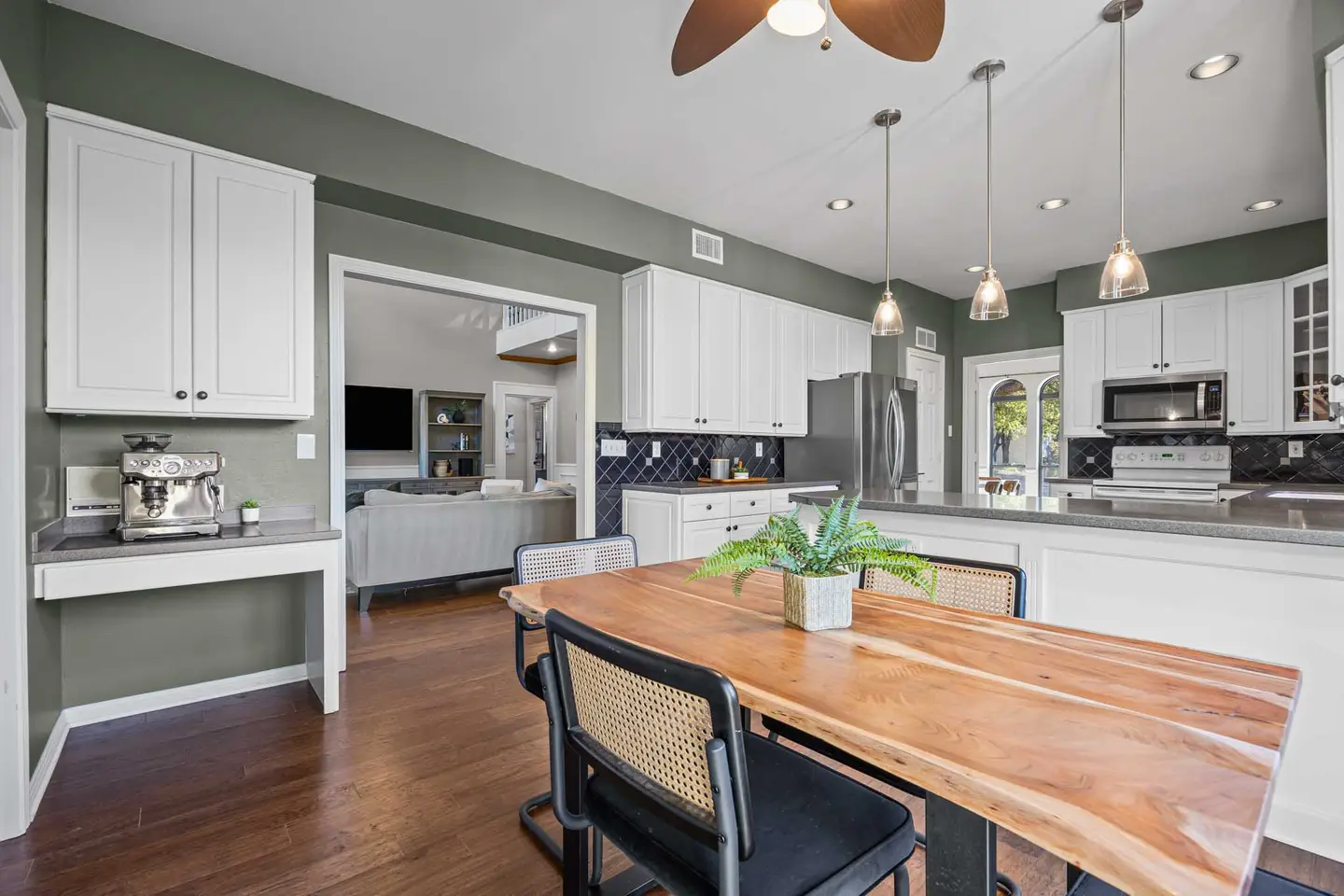
Expose for the room and the window together
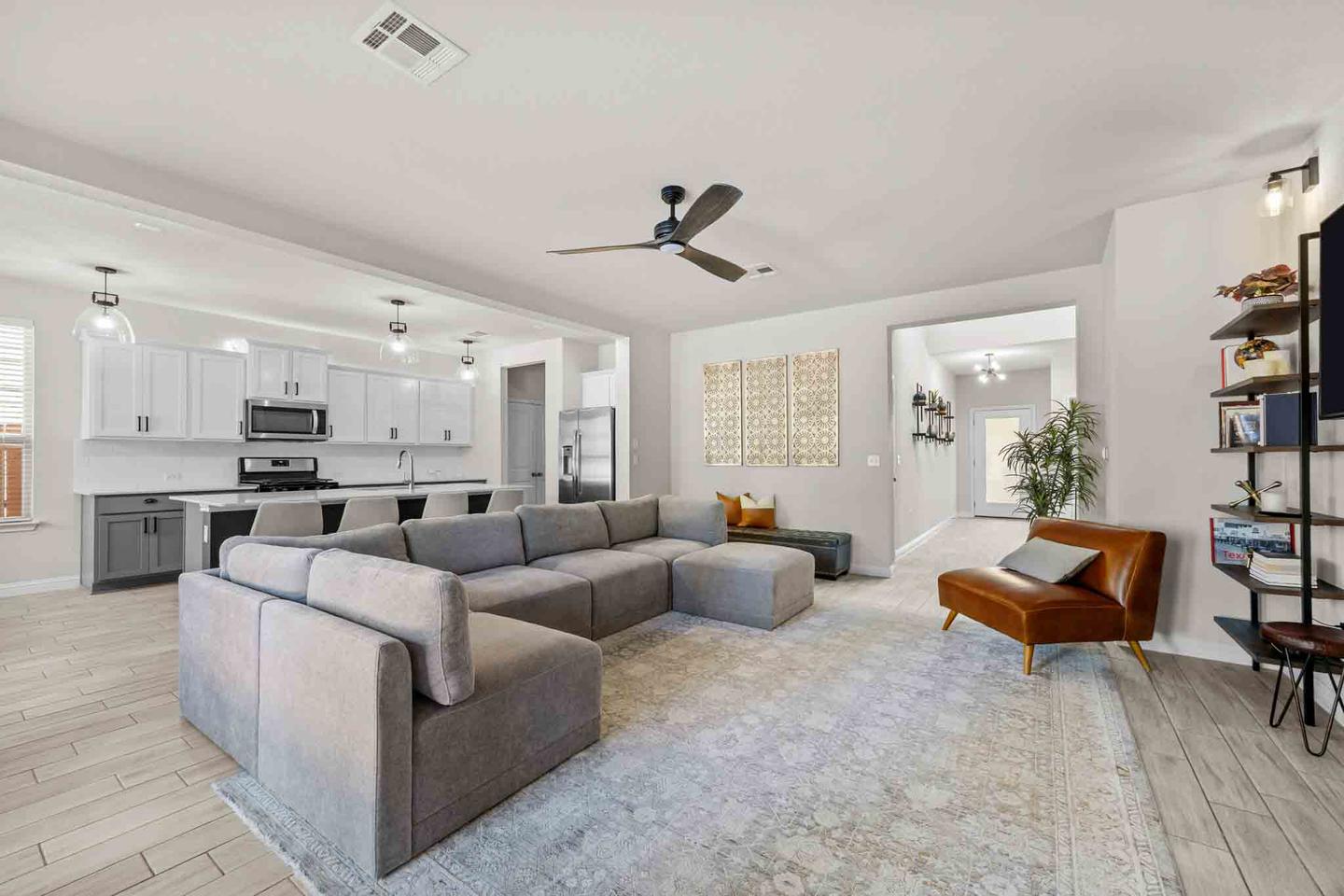
This is the single technical thing that separates a professional gallery from an amateur one, and it is not subtle.
A camera cannot capture a bright window and a normally lit room in one exposure. You get one or the other. Point a phone at a living room and either the room goes dark or the window becomes a white rectangle. Both look wrong, and the white window version is worse because it silently deletes the back yard from the listing.
The fix is multiple exposures per angle, blended together, so the room is bright and the glass still shows what is outside it. It is slower and it is the difference between a photograph of a room and a photograph that looks like being in the room.
Keep the verticals straight
Door frames, window frames and wall corners should be vertical in the photograph. When they lean, the room reads as subtly wrong even to somebody who cannot articulate why.
This mostly comes from tilting the camera up or down. Keep it level, put it at roughly chest height, and correct anything left over in editing. Chest height matters more than people expect: photograph a room from standing eye level and the floor dominates, photograph it from the hip and the ceiling does.
Wide, but not distorted
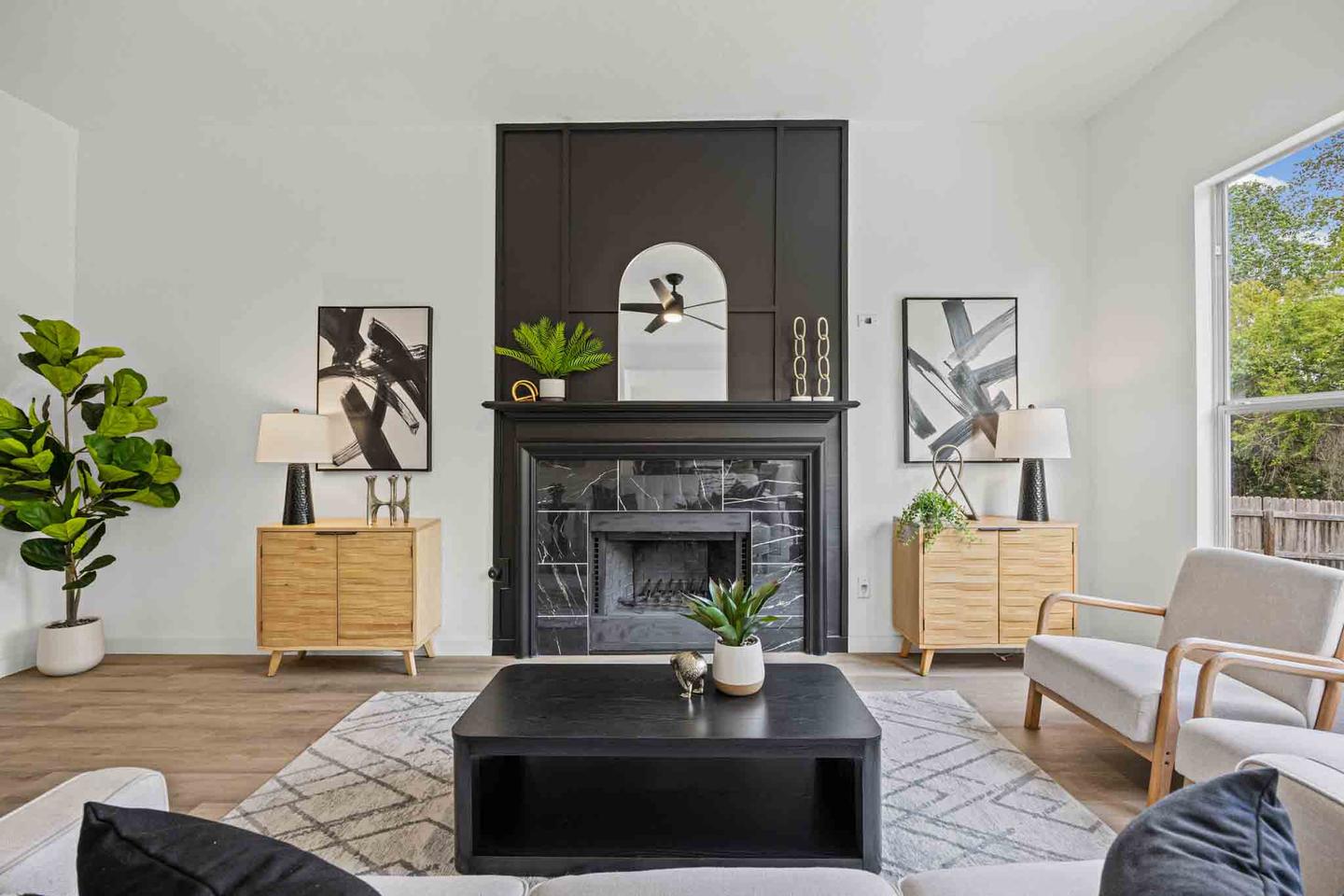
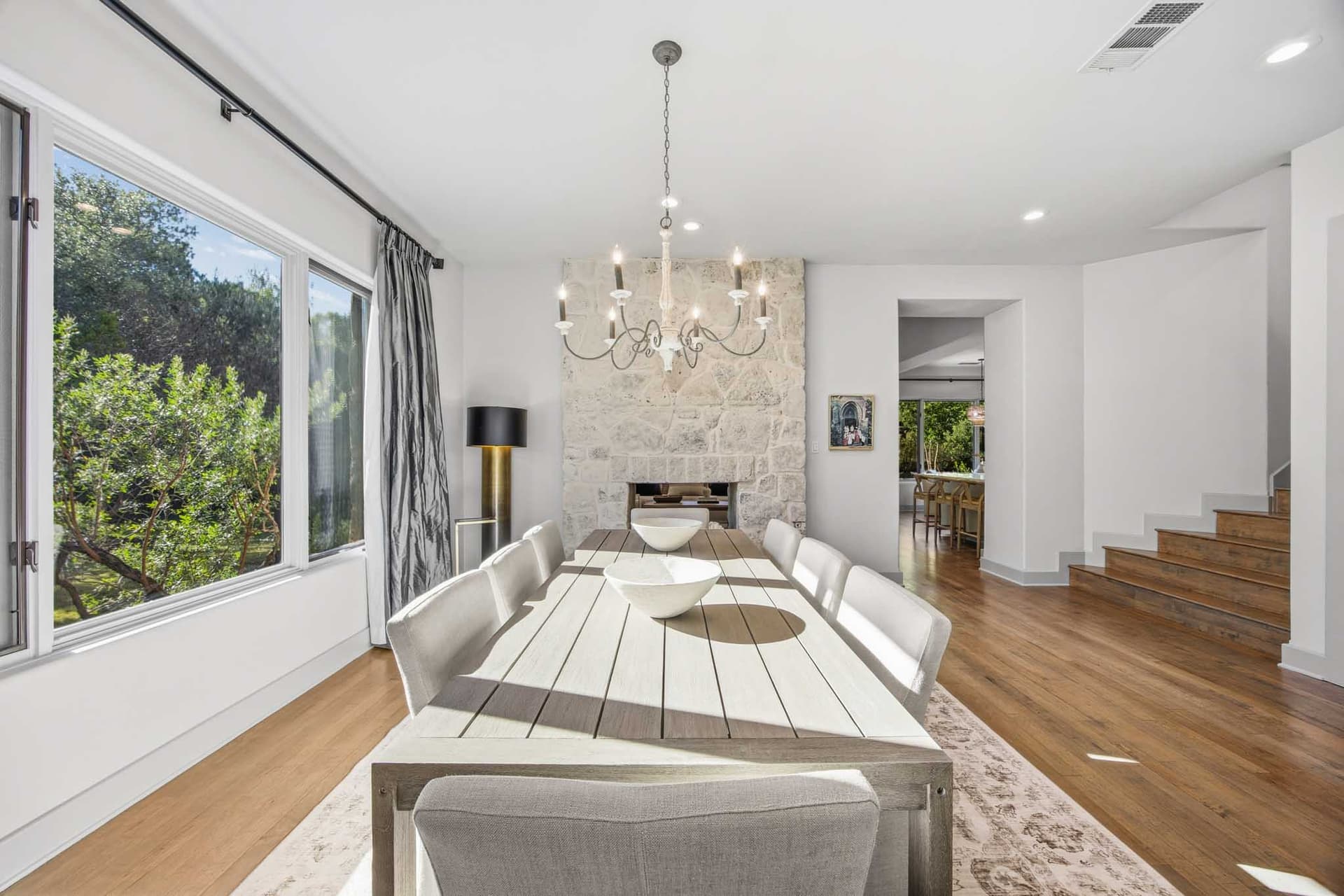
Wide angle is necessary indoors because you cannot stand far enough back. Ultra wide is a trap. It makes rooms look enormous online and disappointing in person, and the agent is the one standing in the room when the buyer notices.
It also bends straight lines toward the edges, so kitchen counters curve and a sofa in the corner stretches into something no furniture store sells. Buyers may not identify the distortion but they register that something is off.
Shoot the house in the order a buyer walks it
Entry, main living space, kitchen, dining, primary suite, secondary bedrooms, bathrooms, then flex space, garage and outside. It sounds obvious and a surprising number of galleries are ordered by nothing at all, opening on a bathroom and putting the kitchen at number seventeen.
A gallery in walking order is a virtual showing. A gallery in random order is a pile of photographs.
What to leave out of a listing gallery
- Rooms that are only doing damage. An unfinished garage or a cluttered utility room adds nothing. Better absent than badly shot, within reason.
- Nine photographs of the same living room. Two angles, three at most. Repetition makes a house feel smaller, not bigger.
- Close ups of taps and door handles, unless the finish level is genuinely the story. On a luxury listing detail frames are evidence. On a starter home they are padding.
- Anything with a person, a pet or a reflection of the photographer in it. Check the mirrors and the oven door. Everyone forgets the oven door.
The listing photo mistakes that cost showings
In rough order of how often we see them on listings shot by somebody else:
- Toilet seats up.
- Cars on the driveway, including the photographer's.
- Blown out windows, so the yard and the view are simply gone.
- Dark, orange interiors shot with the lights on and no correction.
- A ceiling fan spinning in the frame.
- Visible clutter on kitchen counters and bathroom surfaces.
- A gray overcast sky on the exterior, when it takes minutes to replace.
None of those are difficult. All of them are in our prep checklist, which is the thing to forward to the seller.
What photographs cannot fix
A layout problem, a genuinely dark house, or a property that is not ready to be listed. Photography sells the best honest version of what is there. If a listing needs a weekend of decluttering and a coat of paint first, that is a better use of the seller's money than any media package, and a good photographer will tell you so.
Listing galleries
A gallery is read in about forty seconds, in order, on a phone. Everything else follows from that.
More From ZABE Media
Other guides
- Real Estate Photography
- Drone Photography
- Matterport 3D Tours
- Zillow 3D Tours
- Real Estate Video
- Floor Plans
- Virtual Staging
- Twilight Photography
- Marketing Kit
Where We Put These Tips To Work
Everything on this page comes out of shooting listings across the Austin metro week in and week out. The cities below are where we work, and travel to any of them is included when you book.
Shooting somewhere that is not on this list? Enter the address in our booking form and any trip fee is calculated for you before you confirm, or get in touch if you are unsure.
Listing Photo Questions
How many photos should a listing have?
Which photo should go first?
Can I shoot my own listing photos?
Should I use a wide angle lens?
Is it worth replacing a gray sky?
Get started
Or Just Have Us Shoot It
Booking takes less than two minutes, and everything on this page is what we do as standard rather than as an upgrade.
Prefer to talk it through first? Send us a message and we will come back to you within a couple of hours on business days.
-
Phone(512) 859-6430
-
Email[email protected]